Your Local Fence Replacement Experts: Fast & Efficient Service
Nearby fence replacement professionals offer a blend of efficiency and speed that can greatly enhance every property. Their familiarity with regional regulations guarantees compliance, while their established supplier relationships help avoid unnecessary delays. Through hiring local experts, homeowners are able to obtain quality materials but also foster community ties. That said, determining how to identify the right expert and the impact of different fencing choices can be complex. What factors should be considered next?
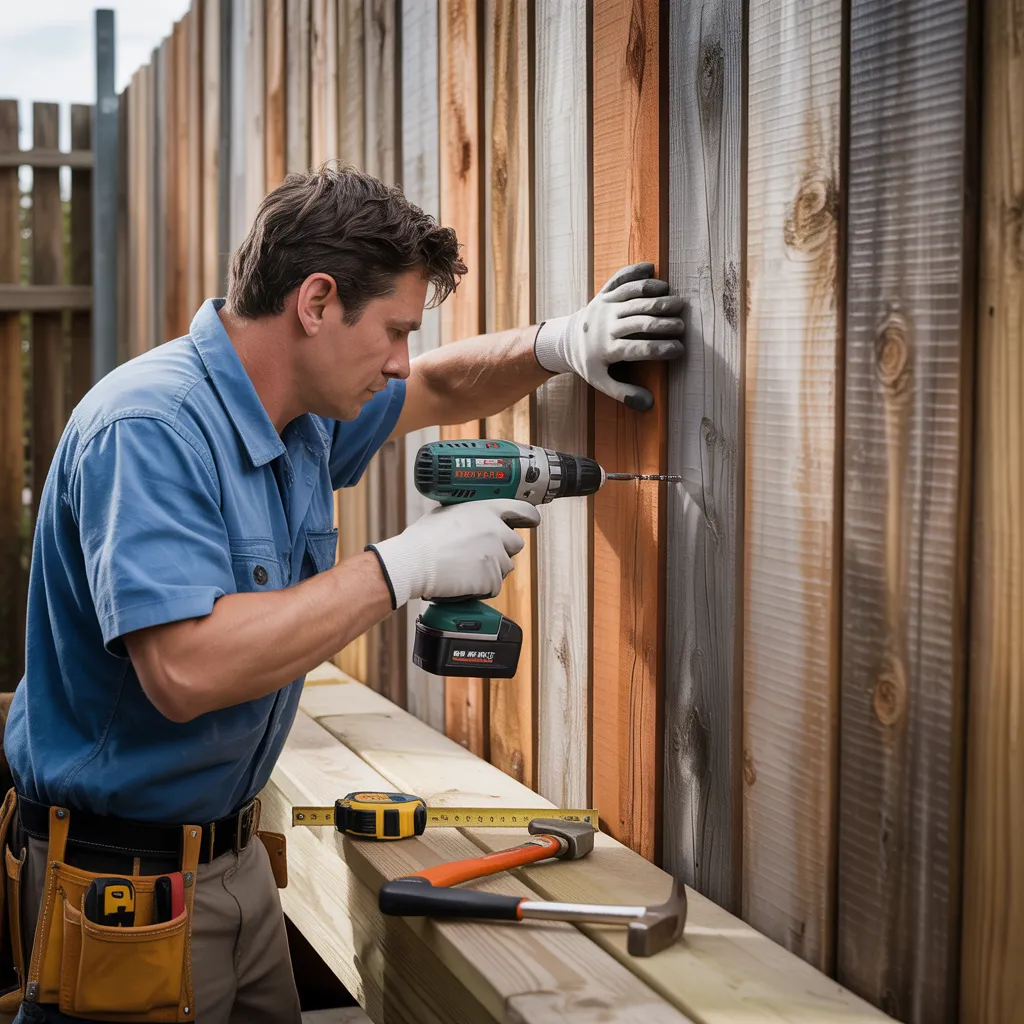
Top Reasons to Choose Local Fence Replacement Experts
When homeowners seek to replace their fences, engaging local specialists can deliver notable advantages. Local experts have extensive knowledge of area-specific regulations and building codes, securing compliance during the entire installation process. Their knowledge of regional materials and weather conditions enables them to suggest the most suitable choices for longevity and visual appeal. Additionally, local experts often have established relationships with suppliers, which can lead to cost savings and quicker access to materials.
Additionally, local contractors are typically more accessible for ongoing consultations and support services, cultivating lasting customer relationships founded on reliability and trust. Homeowners gain from their familiarity with local architectural styles, making certain that the new fence blends seamlessly with the surrounding area. Lastly, supporting local businesses contributes to the community's economy, creating a sense of shared investment in the area's development. This blend of skill, accessibility, and community benefit makes choosing local fence replacement professionals a smart decision for homeowners.
How to Choose the Right Fence Replacement Professionals
What steps can homeowners take to ensure they choose the best fence replacement contractor? Selecting the right professional involves carefully considering several critical factors. First, homeowners should seek recommendations from friends, family, or online reviews to gauge reputation and reliability. Next, verifying credentials is essential; professionals should be licensed, insured, and experienced in the specific type of fencing desired.
Homeowners are also advised to request thorough written bids from several contractors, ensuring transparency in pricing and scope of work. Participating in direct dialogue enables homeowners to evaluate promptness and professional conduct. Furthermore, examining previous work or customer reviews gives valuable information about the contractor's standard of workmanship.
Finally, understanding the maintenance and warranty choices provided can be crucial for satisfaction over time. By thoughtfully evaluating these factors, property owners can assuredly select a fencing replacement professional who satisfies their needs and standards.
Evaluating Common Fencing Materials: Advantages and Disadvantages
Choosing the right fence contractor prompts homeowners to consider the numerous materials offered for their new fencing. Every material carries its own array of benefits and drawbacks.
Wood is popular for its natural beauty and adaptability but demands routine care to prevent rot and insect damage. Vinyl offers long-lasting performance and minimal upkeep, though it can be more expensive upfront and can grow fragile in harsh weather conditions. Chain link proves to be cost-effective and provides security but falls short in privacy and visual charm.
Aluminum is light and resistant to rust but might not offer the same level of strength as alternative materials. Composite fencing blends the aesthetic of wood with the toughness of plastic, however it tends to be expensive and could fade as time passes. Recognizing these advantages and disadvantages allows homeowners to make well-informed choices suited to their needs, finances, and regional climate, guaranteeing a worthwhile investment in their home.
What to Anticipate During the Fence Replacement Process
As part of the fence replacement process, an introductory consultation lays the groundwork for the project, enabling homeowners to communicate their needs and preferences. Following this, a well-defined installation timeline is set, identifying critical milestones and projected completion dates. Being aware of these steps helps create realistic expectations for the complete process.
First Consultation Process
What can homeowners expect when working with fence replacement professionals? To begin, homeowners should anticipate a comprehensive evaluation of their property. Professionals will usually arrange a meeting to go over the preferred fence design, materials, and budget. In this session, specialists will examine property boundaries, existing features, and municipal guidelines that might influence the project. Homeowners should prepare to share their vision and any specific requirements. After the consultation, the professionals will deliver a quote detailing expenses and projected schedules. This stage also allows for questions, ensuring homeowners have clarity before proceeding. Essentially, the opening consultation lays the groundwork for a productive fence replacement, encouraging transparent communication and a cooperative relationship between the homeowner and the fencing specialists.
Installation Process Timeline
When the consultation is finished, homeowners can expect a well-defined timeline for the fence installation process. Generally, the preliminary phase involves obtaining necessary permits, which may take several days depending on local zoning requirements. Following this, the installation team will set a date for the old fence removal, typically finished within a single day.
After that, the setup of the fencing gets underway, which can take one to three days, according to the complexity and size of the work. Weather conditions and material availability may also impact the timeframe. To conclude, a completion inspection explore confirms that the fence meets quality standards, concluding the installation. Property owners can count on clear communication throughout to maintain their awareness at every stage.
Guidelines for Keeping Your New Fence in Great Shape
Caring for a brand-new fence is vital for its longevity and overall look. Routine inspections and prompt repairs can prevent minor issues from becoming major problems. Moreover, proper cleaning techniques and seasonal maintenance tips will help homeowners protect their investment effectively.
Periodic Inspections And Repairs
Routine inspections and timely repairs are essential for preserving the longevity and appearance of a new fence. Residents should frequently examine for evidence of wear, such as loose panels, rust on metal elements, or degradation in wood. Resolving minor concerns in a timely manner can help prevent greater damage and costly fixes in the future. It is advisable to inspect the fence after severe weather events, as high winds and heavy rains can impact its integrity. Furthermore, checking the posts and gates for firmness ensures that they stay operational and safe. Keeping an eye on the surrounding landscape, such as overhanging branches or invasive plants, can also protect the fence from potential harm. Regular maintenance ultimately contributes to the fence's enduring beauty and reliability.
Appropriate Cleaning Practices
Washing a fence regularly ensures its long-lasting condition and boosts its visual appeal. To care for a fresh fence, commence by eliminating unwanted material such as dirt and leaves by utilizing a leaf blower or broom. For timber fences, a mixture of gentle soap and water is suitable for removing stubborn grime. A gentle brush can scrub tough stains without harming the wood. For composite or metal fences, a pressure washer can effectively clean away built-up dirt, though care should be taken to prevent high pressure that may cause damage. After washing, checking for wear and tear is important. Consistent upkeep not only protects aesthetic appeal but also extends the longevity of the fence, guaranteeing it continues to be a beneficial addition to any property.
Seasonal Upkeep Advice
Consistent cleaning creates the groundwork for proper seasonal upkeep of a new fence. Homeowners ought to periodically check their fences for evidence of wear, such as loose boards or rusted hardware. During spring, it's advantageous to clear away debris and examine for moisture damage resulting from winter weather. Summer maintenance may involve applying a protective sealant to wooden fences, preventing rot and UV damage. As the autumn season begins, clearing leaves and branches is critical to avoiding moisture buildup. Prior to winter, a comprehensive inspection ensures that all required repairs are completed, protecting against harsh cold weather. By following these seasonal guidelines, homeowners can prolong the life of their fences, sustaining both visual appeal and structural integrity year-round.
Common Fence Maintenance Mistakes to Avoid
Ignoring regular fence upkeep can result in expensive repairs and early replacement. One typical oversight among homeowners is failing to inspect the fence regularly for damage or wear. This negligence permits minor issues, including rot or rust, to grow into serious complications. Furthermore, incorrect cleaning methods, such as applying harsh chemicals or using a pressure washer, can harm the fence material. Another frequent error is neglecting to address vegetation growth; plants can trap moisture against the fence, leading to decay. Homeowners frequently underestimate the significance of properly sealing and treating wooden fences, which protects against weather elements. Furthermore, ignoring local regulations regarding fence maintenance can result in fines or required restorations. By being aware of these common mistakes, homeowners can take proactive steps to extend the lifespan of their fences and maintain their property's aesthetic appeal.
How Local Experts Ensure Quality and Durability
A great number of homeowners seek the expertise of local professionals to guarantee long-lasting results in their fence replacements and installations. Local experts possess a deep understanding of local weather conditions and materials, ensuring that the right choices are made for longevity. Their familiarity with local codes and regulations additionally ensures compliance, preventing possible legal complications.
Moreover, experienced professionals often utilize premium supplies procured from established sources, which significantly influences the long-term quality of the fence structure. Their skill enables meticulous installation work, decreasing the likelihood of future maintenance issues. Local specialists also provide important guidance about maintenance methods designed for particular climates, increasing the lifespan of the fencing.
Additionally, many provide warranties covering their craftsmanship, providing homeowners with peace of mind. When homeowners choose local experts, homeowners gain a perfect balance of superior craftsmanship, personalized solutions, and established community bonds, each of which supports the complete success of their fence projects.
Frequently Asked Questions
How Long Does a Typical Fence Replacement Project Take?
A typical fence replacement project usually takes between one to three days, based on factors including the size of the property, type of materials used, and the weather conditions affecting the overall installation process.
What Permits Do I Need for Fence Replacement in My Area?
The required permits for fence replacement vary by location. Typically, homeowners should check with local zoning offices or municipalities to determine specific regulations, such as height limitations and property boundary requirements, to ensure they remain compliant before starting the project.
Is It Possible to Customize My Fence Design and Materials?
Indeed, fence styles and materials are frequently available for customization to suit personal tastes. Property owners can select from a wide range of styles, colors, and materials, allowing for unique aesthetics that complement their property while adhering to local regulations.
Are Warranties Provided by Local Experts on Their Work?
Local experts generally include guarantees on their services, making certain clients get high-quality materials and workmanship. These workmanship warranties tend to differ across terms and coverage levels, offering reassurance for those investing in new fence installations.
In What Ways Do Weather Conditions Impact the Fence Replacement Schedule?
Climatic conditions heavily affect the timeline for fence replacement. Precipitation, freezing conditions, or intense heat may postpone installation work, affecting soil conditions and material handling. Skilled local professionals are often required to adapt their plans to maintain workmanship and safety throughout unpredictable weather patterns.